
Rumtse to Tso Moriri Lake Trek Itinerary
Overview:
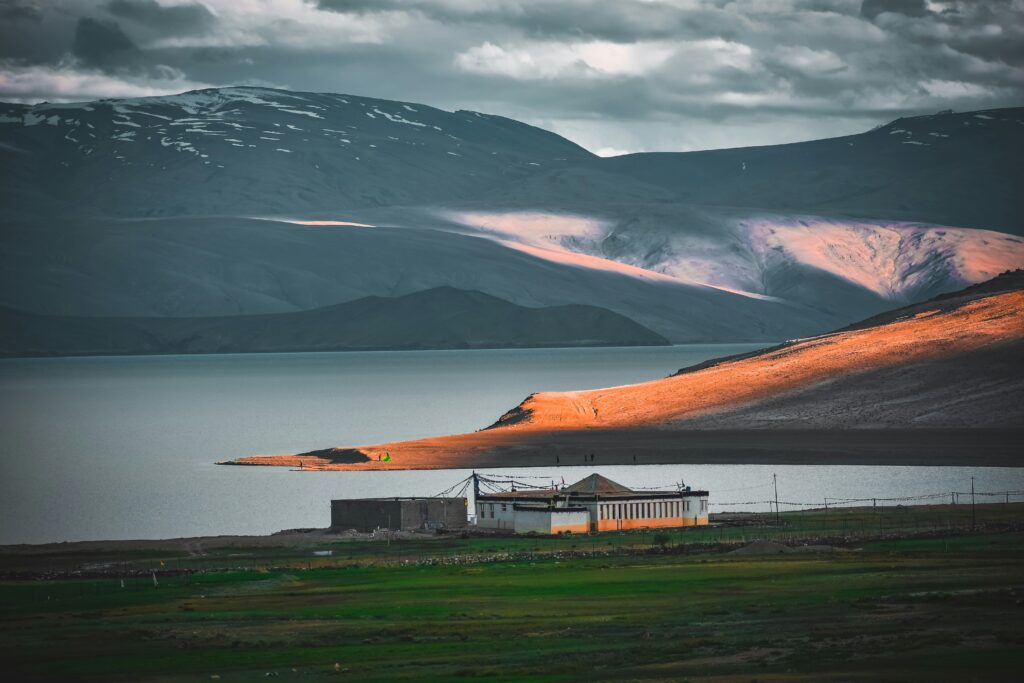
This high-altitude trans-Himalayan trek takes you from Rumtse on the Leh–Manali highway across several 5,000m+ passes, through isolated nomadic settlements, and past stunning alpine lakes like Tso Kar and Tso Moriri. One of the most spectacular treks in Ladakh, it offers a unique blend of challenging terrain, vast landscapes, and glimpses into the Changpa nomadic lifestyle.
Duration: 11N/12D
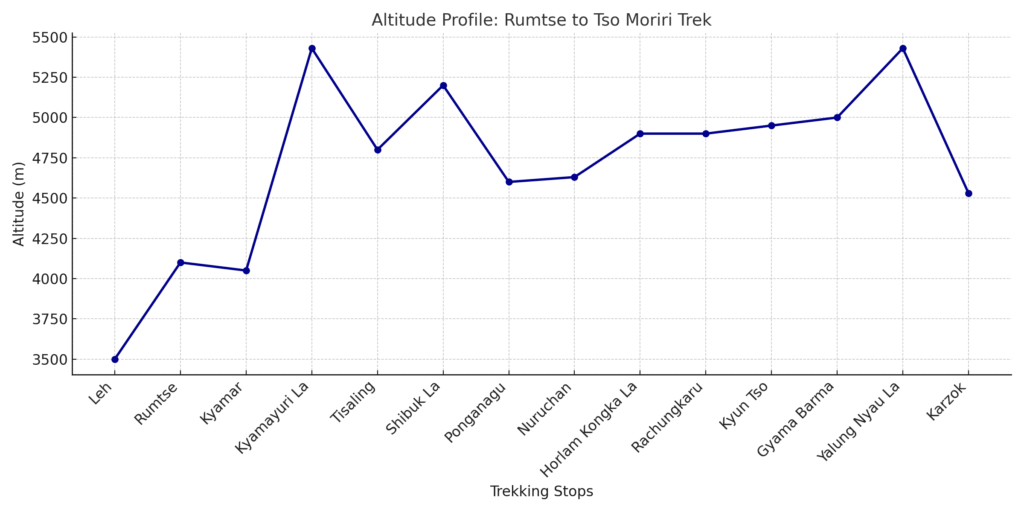
Highest Point: Kyamayuri La (5,430m)
Route: Rumtse – Kyamar – Tisaling – Ponganagu – Nuruchan – Rachungkaru – Gyama Barma – Karzok (Tso Moriri)
Day 1: Arrival in Leh (3,500m)
- Arrive at Leh Airport and transfer to hotel.
- Complete rest for the day to acclimatize to high altitude.
- Hydration and light meals as per acclimatization protocol.
- Evening: Short walk to Leh Market (if feeling comfortable) and Shanti Stupa.
- Briefing about the tour and altitude safety measures.
- Overnight: Hotel in Leh.
Day 2: Leh Local Sightseeing and Departure
- Visit Sangam (Indus and Zanskar River Confluence), Gurdwara Pathar Sahib
- Follow Indus River, Visit Alchi monastery and Lamayuru Monastery one of the ancient and oldest monastery of Ladakh.
- Visit Hall of Fame Museum and Leh Palace.
- Evening: Shopping at Tibetan Market and Leh Market.
- Overnight: Hotel in Leh.
Day 3: Drive from Leh to Rumtse
- Drive from Leh to Rumtse village (approx. 2 hours)
- Visit Shey Palace and Thiksey Monastery also known as mini Potala, one of the oldest monastery of Ladakh.
- Overnight in campsite at Rumtse.
Day 4: Rumtse to Kyamar (4,538m) – 4 hours, 11 km
- Begin main trek from Rumtse following ancient “salt road” trade route.
- Trek follows Kyamar Lungpa stream through wide valley.
- Landscapes different from typical Ladakh – patches of green meadows and wildflowers.
- Cross small streams on wooden bridges, pass occasional local houses.
- Gradual ascent with minimal altitude gain for first day acclimatization.
- Reach Kyamar camping ground surrounded by colorful mountains.
- Overnight: Camping at Kyamar.
Day 5: Kyamar to Tisaling via Kyamar La (5,071m) and Mandalchan La (5,206m) – 6-7 hours, 14 km
- Challenging double-pass day requiring early start.
- Ascend gradually towards Kyamar La (5,071m) – first high pass of main trek.
- Fantastic views of Changthang region and Kang Yatse massif from summit.
- Descend to Tiri Doksa, temporary shepherd shelter with seasonal stream.
- Begin second ascent to Mandalchan La (5,206m) marked with prayer flags.
- Rainbow-colored mountains begin appearing – unique geological formations.
- Descent to Tisaling, vast grassland campsite with marshlands.
- Overnight: Camping at Tisaling.
Day 6: Tisaling to Ponganagu via Shibuk La (5,275m) – 6 hours, 14 km
- Trek towards Shibuk La with gradual elevation gain.
- Steep final ascent (1.5 km) to Shibuk La Pass (5,275m).
- Spectacular first views of Tso Kar Lake from pass summit.
- Tso Kar (White Lake) visible with salt deposits on banks creating unique appearance.
- Descend through colorful rock formations and barren landscape.
- Arrive at Ponganagu near Tso Kar lake shores.
- Wildlife spotting: Migratory birds, kiang (Tibetan wild ass), marmots, Himalayan ibex.
- Bird watching opportunities: Bar-headed geese, brahminy ducks, brown-headed gulls.
- Overnight: Camping near Tso Kar at Ponganagu.
Day 7: Ponganagu to Nuruchan (4,679m) – 5-6 hours, 18 km
- Easy trekking day along western shore of Tso Kar Lake.
- Relatively flat terrain through Rupshu Valley grasslands.
- Observe Tso Kar’s salt-encrusted banks – source of salt for nomadic trade with Tibet.
- Possible sightings of black-necked cranes (seasonal) and brahminy ducks.
- Walk through fertile grazing areas used by Changpa nomads.
- Multiple small stream crossings on easy terrain.
- Arrive at Nuruchan village, first encounter with Changpa nomadic families.
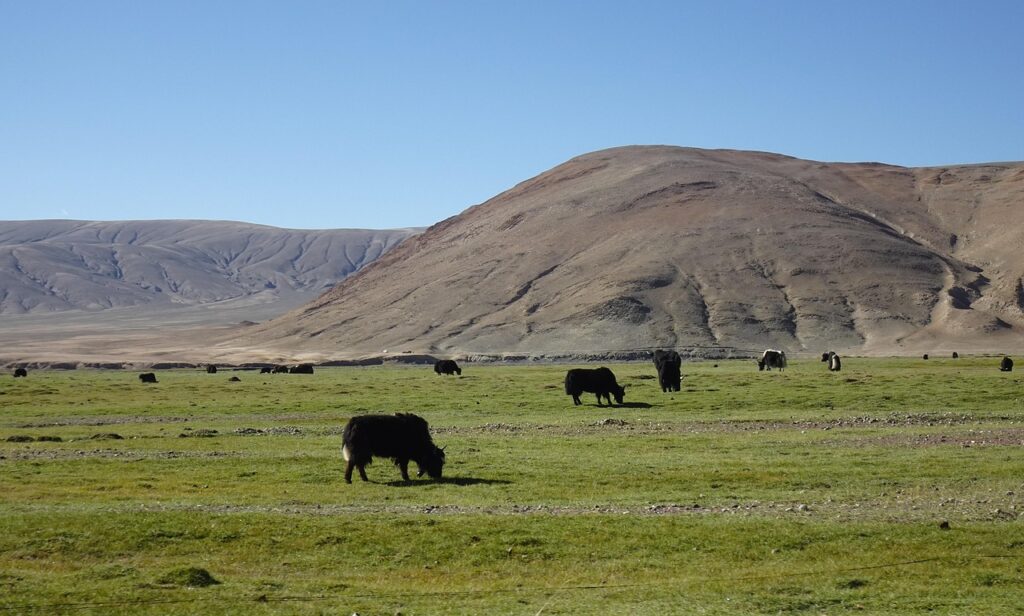
- Interact with locals, learn about traditional yak herding and pashmina goat raising.
- Overnight: Camping at Nuruchan.
Day 8: Nuruchan to Gyamar Barma via Horlam Kongka La and Kyamayuri La (5,416m) – 7-8 hours, 19 km
- Most challenging day crossing two high passes above 5,000m.
- Ascend towards Horlam Kongka La through barren landscape.
- Continue to Kyamayuri La (5,416m) – one of the highest passes on trek.
- Panoramic views of western Tibetan peaks from summit.
- Meet several nomad families with their yaks, sheep, and pashmina goats en route.
- Long descent to Gyamar Barma (5,195m) – highest sleeping altitude of entire trek.
- Overnight: Camping at Gyamar Barma.
Day 9: Gyamar Barma to Gyamar via Kartse La (5,384m) – 3 hours, 6 km
- Shorter day for rest and recovery before final big push.
- Cross Kartse La (5,384m) – sixth high pass of the trek.
- Descend to Gyamar valley at the foot of Yalung Nong peak.
- Last night before reaching Tso Moriri Lake.
- Overnight: Camping at Gyamar.
Day 10: Gyamar to Korzok via Yalung Nyau La (5,435m) – 5-6 hours, 16 km
- Early start for final and highest pass of the trek.
- Ascend to Yalung Nyau La (5,435m) – culmination of the expedition.
- Breathtaking first views of Tso Moriri Lake from pass summit – unforgettable moment.
- Great views of western Tibetan peaks and vast Changthang Plateau.
- Long descent to Korzok village (4,552m) on northwestern shore of Tso Moriri.
- Spend evening by Tso Moriri – high-altitude wetland reserve.
- Celebrate successful completion of challenging trek.
- Overnight: Camping at Korzok village.
Day 11: Korzok to Leh via Chumathang – 215 km, 7-8 hours drive
- Morning leisure time by Tso Moriri Lake – final moments at this pristine sanctuary.
- Visit Korzok Monastery and village exploration.
- Drive back to Leh via scenic Changthang Plateau route.
- Optional stop at Chumathang hot springs
- Join Leh-Manali highway at Upshi, continue along Indus River.
- Arrive Leh by late afternoon/evening.
- Overnight: Hotel in Leh (included).
Day 12: Leh Departure
- Airport Drop
All the itineraries can be customized to suit your own special interests, preferences and abilities. Please contact us for more information.
Pricing Details:
Camping-Based Treks:
- 2 Persons: As per mentioned package price
- 3+ Persons: Reduced per-person cost (contact for group rates)
Note: Larger groups benefit from lower per-person pricing due to shared costs
Homestay-Based Treks:
- Solo Trekker: ₹20,000 per person
- 2 Trekkers: ₹16,000 per person (₹32,000 total)
Note: Larger groups benefit from lower per-person pricing due to shared costs
What included and not included:
CAMPING-BASED TREKS
What’s Included:
Accommodation & Camping
- Twin-sharing tents, sleeping bags, and mattresses
- Kitchen, dining, and toilet tents
Meals
- All meals: Breakfast, lunch, dinner, and evening tea/snacks
- Safe drinking water throughout trek
Transportation
- Pick-up and drop between Leh and trek start/end points (Non-AC vehicle)
Support Staff & Logistics
- Experienced trek guide, cook, and helpers (1 per 6 trekkers)
- Horses/mules for camping equipment and personal luggage (max 12-15 kg/person)
Permits & Safety
- All trekking permits and entry fees
- First-aid kit
- Trekking completion certificate
What’s NOT Included:
- Flights/transport to reach Leh
- Meals in Leh (except if mentioned in itinerary)
- Personal trekking gear and clothing
- Porter for personal daypack during trek
- Travel insurance and medical/evacuation expenses
- Costs due to weather delays, roadblocks, or natural calamities
HOMESTAY-BASED TREKS
What’s Included:
Accommodation
- Homestay in local Ladakhi houses (twin/triple sharing with basic bedding)
Meals
- All meals: Breakfast, lunch, and dinner (traditional Ladakhi cuisine)
- Safe drinking water
Transportation
- Pick-up and drop between Leh and trek points (Non-AC vehicle)
Support & Logistics
- English-speaking trek guide
Permits & Safety
- All trekking permits and entry fees
- First-aid kit and emergency support
- Trekking completion certificate
What’s NOT Included:
- Flights/transport to reach Leh
- Meals in Leh before/after trek
- Sleeping bag
- Personal trekking gear, clothing, and daypack
- No horses/potter to carry personal luggage
- Travel insurance and medical expenses
- Costs due to weather delays or emergencies
Important Notes:
- Travel insurance with evacuation coverage strongly recommended
- Single accommodation subject to availability
Packing List
Documents (Mandatory)
- Valid photo ID (Aadhar/Passport/Driving License – original)
- 2 passport-size photographs for permits
Trekking Gear
- Trekking shoes/boots (waterproof, ankle support, well broken-in)
- Daypack/backpack (30-40L for daily essentials)
- Trekking poles (recommended for knee support)
- Sleeping bag (mandatory for homestay treks – rent in Leh ₹300-500/day)
- Headlamp/flashlight with spare batteries
Clothing (Layering System)
- Base layer: Thermal innerwear (2 sets – top & bottom)
- Mid layer: Fleece jacket or down jacket
- Outer layer: Waterproof windproof jacket
- Trekking pants (2-3 quick-dry, comfortable pairs)
- T-shirts/full-sleeve shirts (3-4 sets)
- Warm woolen cap and sun hat/cap
- Gloves (waterproof recommended)
- Woolen socks (4-5 pairs) and liner socks
- Undergarments (quick-dry fabric)
- Down jacket for high-altitude camps
Rain & Sun Protection
- Raincoat or rain poncho
- UV protection sunglasses (Category 3 or 4)
- Sunscreen (SPF 50+) and lip balm with SPF
- Moisturizer for dry weather
Personal Essentials
- Reusable water bottle (1-liter minimum)
- Personal toiletries (soap, toothbrush, toothpaste, wet wipes)
- Toilet paper and hand sanitizer
- Personal medications and prescriptions
- Altitude sickness medication (Diamox – consult doctor)
- Basic first-aid: Pain relievers, band-aids, antiseptic cream
- Anti-diarrheal medication and ORS packets
Electronics & Accessories
- Pre-On-Post Airtel/Jio SIM (limited connectivity in mountains)
- Power bank (10,000+ mAh)
- Camera with spare batteries and memory cards
- Charging cables
Optional but Useful
- Energy bars, dry fruits, chocolates (trail snacks)
- Small towel (quick-dry)
- Ziplock bags (keeping things dry and organized)
- Multi-tool or Swiss knife
- Notebook and pen
What NOT to Bring
- Hard suitcases (use soft duffel bags only)
- Excessive clothing (laundry not available during trek)
- Valuables and jewelry
- Cotton clothing (takes long to dry)
- Heavy books or unnecessary items
Luggage Guidelines:
- Maximum 12-15 kg in duffel bag (goes on horses/mules)
- Carry 4-5 kg daypack yourself with: water bottle, snacks, camera, warm layer, rain gear, sunscreen, personal medications
Tip: Pack light and smart. Layering is key for Himalayan weather!
Cancellation Policy
Payment Schedule:
- Booking deposit: ₹15,000 per person to confirm reservation
- Balance payment: Due 15 days before trek start date
Cancellation Charges:
- 15 + days before trek: 25% of total cost
- 10-14 days before trek: 50% of total cost
- Less than 9 days before departure: 100% (no refund)
- After trek starts: No refund for early exit or unused services
Important Terms:
- Refunds processed within 14 business days
- Cancellations must be in writing via email
- Permit fees non-refundable once processed
- Company not liable for trek cancellations due to weather, landslides, roadblocks, or force majeure events
- In case of such events, option to reschedule
- Travel insurance covering trekking activities strongly recommended